
Building Trust in Law Enforcement Tech: Power of Peer Recommendations


When choosing law enforcement technology, glossy vendor brochures and polished demos often fall short. Real police work demands gear that performs in the rain, during arrests, or when uploading video evidence from a patrol car. For reliable law enforcement technology recommendations, nothing beats the honest feedback of fellow officers who’ve used the equipment in the field. At LensLock, we believe cops trust cops—and that’s why peer recommendations drive the best tech decisions.
The Pitfalls of Traditional Tech Evaluation
Vendor marketing is designed to dazzle procurement teams, not inform officers. Those perfect demo videos? They’re filmed in controlled settings with brand-new gear. Real-world body camera testing reveals the truth: equipment gets knocked around during foot pursuits, batteries drain on long shifts, and network glitches can disrupt real-time evidence uploads from the field.
Relying on brochures risks choosing the best police technology vendors based on promises, not performance. Officers need gear that works when it matters most—because failure isn’t just inconvenient; it’s dangerous.
Why Peer Recommendations Outshine Sales Pitches
The law enforcement community thrives on trust. When a fellow chief or officer shares law enforcement technology recommendations, their reputation is on the line. Unlike vendors, they have no sales agenda—just real-world experience. Here’s why peer recommendations for body cameras and other tech are invaluable:
Shared Challenges: Chiefs understand justifying budgets to city councils.
Field-Tested Insights: They’ve used gear during actual incidents, not staged demos.
Honest Feedback: No incentive to mislead; their word carries weight.
Safety First: They know equipment failure can jeopardize officer safety.
For example, a sheriff who’s tested body cameras in rural areas with spotty networks can tell you what holds up—saving you from costly mistakes.
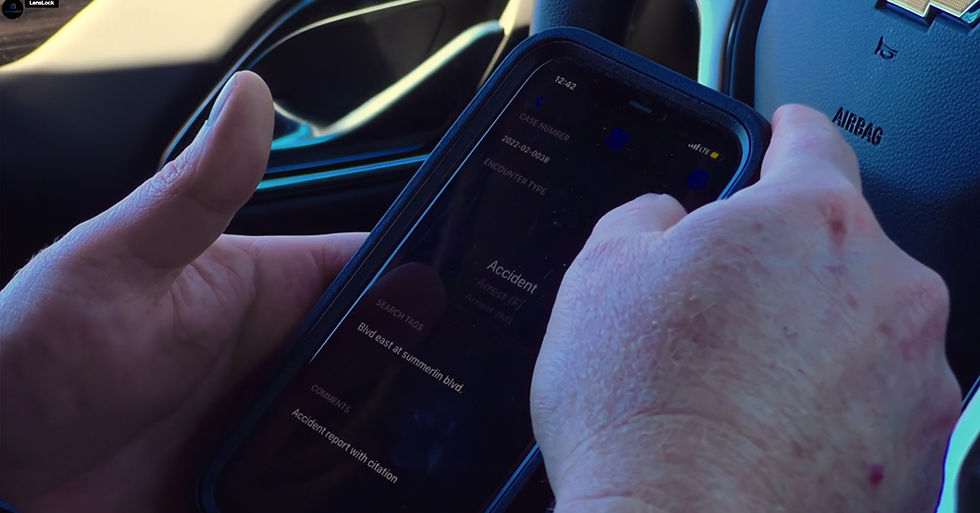
Talk to a former chief at LensLock. Schedule a no-pressure call to discuss your needs.
Key Questions for Peer-to-Peer Tech Talks
When seeking peer recommendations for body cameras or other tech, ask specific questions to uncover real-world performance. These help you evaluate the best police technology vendors and avoid overhyped solutions.
Performance in the Field
How does the gear hold up during foot pursuits or physical arrests?
Has it ever failed during a critical incident?
Does the battery last through 12-hour shifts?
Does it work reliably in your patrol car’s network environment?
Law Enforcement Tech Support
Who answers when you call with issues?
How fast do they resolve urgent problems?
Do they offer on-site support when needed?
Are there hidden fees for maintenance or upgrades?
“The support has been fantastic. LensLock listens to what we need and makes adjustments fast.” — Yuba County Sheriff’s Department
Real-World Usability
Is the equipment intuitive for officers to use?
Do officers complain about the interface?
Does video evidence hold up in court?
What’s the learning curve for non-tech-savvy users?
Use these questions with LensLock references. Get connected today to hear from departments like yours.
Red Flags to Watch For
Peer feedback often reveals issues vendors gloss over. Watch for these warning signs when evaluating law enforcement technology recommendations:
Slow or unresponsive tech support
Equipment that fails under stress
Surprise fees not disclosed upfront
Vendors who vanish post-sale
Tech requiring constant IT oversight
Support teams unfamiliar with police work
These insights, shared by colleagues at IACP conferences or regional meetings, help you avoid vendors who overpromise and underdeliver.
Building a Network for Police Procurement Tips
To gather reliable law enforcement technology recommendations, tap into your professional network:
Conferences: Skip vendor booths for candid chats with other chiefs. Hotel bar conversations often yield better insights than sales pitches.
Regional Partnerships: Neighboring departments face similar budgets and challenges. Their real-world body camera testing is more relevant than big-city case studies.
Professional Groups: Post questions in sheriff or chief associations. Most colleagues share honest vendor feedback.
These connections ensure your police procurement tips come from trusted sources, not marketing hype.
The LensLock Difference: Cops Supporting Cops
At LensLock, we live the peer-to-peer philosophy. Our team includes former police chiefs who’ve managed budgets, testified in court, and faced the chaos of field operations. When you call our law enforcement tech support, you’re speaking to people who get it—a camera failure isn’t just a glitch; it’s a safety risk.
We prioritize:
Straight Talk: No corporate scripts, just honest answers.
Field-Proven Gear: Built for real-world body camera testing, from arrests to evidence uploads.
Reliable Support: Fast, officer-focused responses, no nickel-and-diming.
Making Smarter Tech Decisions
Choosing law enforcement technology isn’t just about buying cameras or software—it’s about selecting a partner who shows up when officers need them most. The flashiest demo might not answer calls at 2 AM, and the cheapest bid might fail in court.
When three chiefs from similar departments praise a vendor for reliable law enforcement tech support and gear that works, that’s actionable intelligence. Combine their insights with police procurement tips from your network to make confident decisions.
The Bottom Line: Trust Your Peers
Your officers deserve technology that performs and vendors who understand policing. In a world of corporate promises, the most reliable law enforcement technology recommendations come from one cop talking to another. Before signing a contract, make those calls, ask tough questions, and listen to real-world experiences.
Don’t buy blind—connect with departments using LensLock. Contact us for honest feedback from cops to cops.


Comments